
Leave Your Message
China has really become a go-to spot for global buyers on the hunt for reliable packaging solutions. Their factories produce everything from food packaging and cosmetics to pharmaceuticals, electronics, and everyday consumer goods. But here’s the thing — the quality of suppliers can vary a lot. And having a slick website doesn’t necessarily mean they can keep a steady production line going.
In this guide, I’m taking a practical look at ten Chinese suppliers to help you out. We’ll consider things like machine capabilities, how much experience they have exporting, their ability to customize, after-sales support, certifications, and how consistent their production actually is. Companies like Bobst, Shanghai Dinglong Machinery, and Guangzhou Keshenglong Carton Packing Machine all have their own strengths and different positions in the market. Remember though — this list isn’t set in stone. Supplier info can change, and even a promising factory should be checked out independently before making decisions.
Luciana Pellegrino, who’s a respected expert in the packaging world and used to be president of the World Packaging Organisation, once said, “Packaging is a crucial part of the product experience.” Honestly, that really hits home when evaluating suppliers. A Packing Box Making Machine needs to produce precise sizes, clean folds, strong seals, and consistent results. Small mistakes can lead to damaged corners, messy printing, or even costly waste of materials. So, it’s smart to ask for factory videos, sample boxes, testing reports, and references before you hit ‘buy’.
Pay attention — don’t just focus on the price. Often, the biggest difference-maker is support after installation, availability of spare parts, training for your operators, and how quickly they respond when issues come up. Some suppliers are great at communicating before you pay, but not so much afterward — that’s a risk you wanna watch out for. So, in this guide, I’m sharing real-world insights, practical warnings, and a sober look at what you should consider when dealing with China’s Packing Making sector.
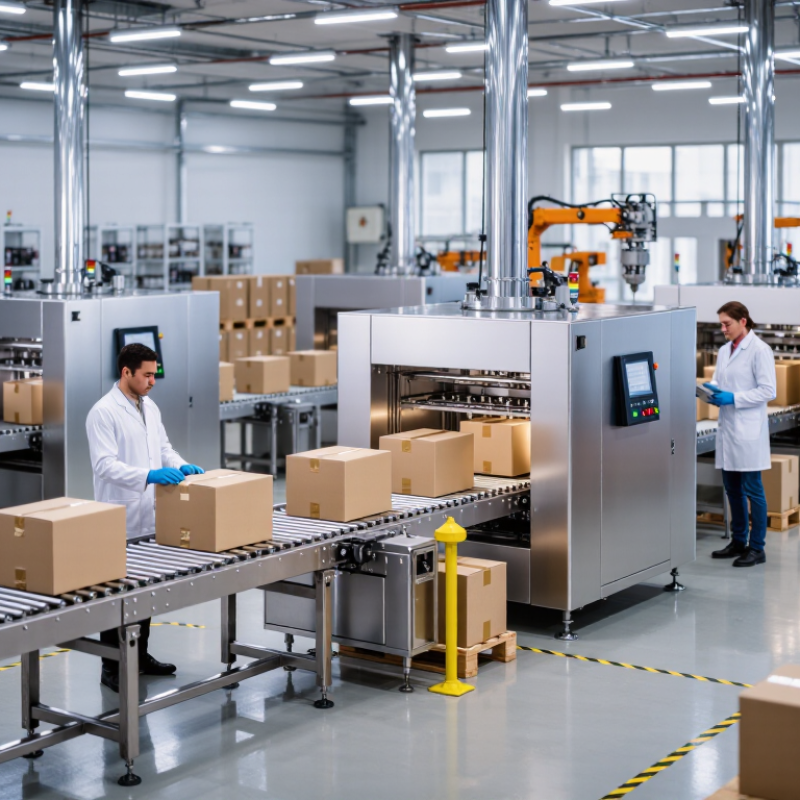
Choosing among China’s top packaging manufacturing suppliers requires more than comparing prices. Examine factory experience, production capacity, and quality controls. Ask for recent project examples, material specifications, and clear inspection records. A reliable supplier should explain each process, from raw material storage to final shipment.
Request samples made with the same equipment and materials as your order. Check sealing strength, print alignment, dimensions, and surface defects. If you need a Packing Making Machine, inspect its speed, maintenance requirements, safety features, and spare-parts availability. Factory visits can reveal useful details, such as crowded work areas or poorly labeled materials. These small signs matter. Still, one visit cannot prove consistent performance.
Tips: Compare three suppliers using the same technical checklist. Confirm production lead times in writing. Review certificates through independent verification when possible. Discuss tooling ownership, payment stages, packaging protection, and after-sales support. Ask how the supplier handles rejected batches and corrective actions. Communication quality is also evidence of professionalism. Slow replies may become costly during production changes. I have found that polished samples can hide process weaknesses, so request batch samples and inspection photos. No evaluation method is perfect; combine documents, testing, factory observations, and references before making a decision.
| Rank | Anonymous Supplier Profile | Primary Packaging Capability | Typical Materials | Export Readiness (100) |
Quality Systems (100) |
Sustainability (100) |
Typical MOQ | Sample Lead Time | Mass-Production Lead Time | Buyer Verification Priorities |
|---|---|---|---|---|---|---|---|---|---|---|
| 1 | Profile A — Integrated Flexible Packaging Plant | Printed pouches, rollstock, sachets and laminated films | PE, PET, BOPP, CPP, aluminum foil and paper laminates | 94 | 93 | 88 | 10,000–30,000 pcs | 7–12 days | 25–40 days | Food-contact compliance, migration tests, ink specifications and recycling structure |
| 2 | Profile B — Corrugated Export Packaging Specialist | Shipping cartons, heavy-duty boxes, die-cut inserts and displays | Kraft liner, testliner, corrugated medium and molded pulp | 92 | 91 | 90 | 500–2,000 pcs | 5–10 days | 15–30 days | Board grade, edge-crush strength, burst strength, compression test and pallet performance |
| 3 | Profile C — Folding Carton and Paperboard Manufacturer | Retail cartons, cosmetic boxes, sleeves and paper inserts | Folding boxboard, recycled board, kraft paper and specialty paper | 90 | 92 | 91 | 1,000–5,000 pcs | 7–14 days | 20–35 days | Paper traceability, color control, coating composition and packaging-drop testing |
| 4 | Profile D — Rigid Plastic Container Producer | Bottles, jars, tubs, closures and dispensing components | PET, HDPE, PP, PCR resin and selected bio-based polymers | 89 | 90 | 84 | 5,000–20,000 pcs | 10–18 days | 30–50 days | Resin origin, wall-thickness tolerance, leak testing, closure torque and PCR percentage |
| 5 | Profile E — Glass Packaging Manufacturer | Glass bottles, jars, vials and compatible closures | Soda-lime glass, borosilicate glass, recycled cullet and metal closures | 87 | 89 | 86 | 10,000–50,000 pcs | 14–21 days | 35–60 days | Thermal-shock resistance, dimensional inspection, glass defects and closure compatibility |
| 6 | Profile F — Metal Can and Tin Packaging Plant | Food cans, tins, aerosol cans and metal gift packaging | Tinplate, aluminum, steel, coatings and food-grade lacquers | 86 | 88 | 83 | 3,000–15,000 pcs | 10–20 days | 30–55 days | Metal thickness, coating migration, seam integrity, corrosion resistance and pressure testing |
| 7 | Profile G — Sustainable Molded Fiber Converter | Trays, protective inserts, food containers and molded pulp forms | Recycled paper fiber, bamboo fiber, bagasse and water-based coatings | 84 | 85 | 94 | 3,000–20,000 pcs | 14–25 days | 35–60 days | Fiber source, PFAS-free declaration, moisture resistance, compostability and food-contact tests |
| 8 | Profile H — Cosmetic and Personal-Care Packaging Supplier | Airless bottles, cosmetic jars, pumps, tubes and gift sets | PP, PET, acrylic, aluminum, glass and elastomer components | 83 | 86 | 80 | 1,000–10,000 pcs | 12–21 days | 30–50 days | Formula compatibility, pump dosage, vacuum performance, decoration adhesion and component fit |
| 9 | Profile I — Custom Printed Label and Flexible Film Converter | Pressure-sensitive labels, shrink sleeves, pouches and film labels | Paper, PET, PP, PE, synthetic label stock and water-based adhesives | 82 | 84 | 82 | 5,000–25,000 pcs | 5–10 days | 15–30 days | Color tolerances, adhesive performance, barcode readability, scuff resistance and roll direction |
| 10 | Profile J — Small-Batch Multi-Material Packaging Factory | Short-run boxes, pouches, labels, inserts and promotional packaging | Paperboard, kraft paper, PE, PET, PP, foil and recycled materials | 79 | 80 | 78 | 100–1,000 pcs | 5–12 days | 15–35 days | Production subcontracting controls, material consistency, inspection records and order traceability |
Common products include corrugated cartons, folding boxes, flexible pouches, bottles, containers, labels, and molded-pulp inserts. Some factories also make pallets, protective foam, and reusable transport packaging. The product range varies.
Review printing, die-cutting, laminating, foil stamping, molding, and thermoforming equipment. Ask for material specifications, color tolerances, sample approvals, and production records. A polished catalog proves little.
Food-contact packaging may require migration testing and documented material controls. Export cartons should include compression, moisture-resistance, and drop-test results. Request written criteria, not vague promises.
Compare quotations carefully. Check whether molds, cylinders, testing, tooling, and inner protection are included. A low price can become expensive after production begins. I would confirm every assumption in writing.
Compare at least three approved samples before committing to a large order. Digital samples may not show final color, texture, or surface feel accurately. Hold the physical sample beside the approved artwork. That simple step helps.
Suppliers should prepare commercial invoices, packing lists, certificates, and accurate product descriptions. Buyers should review every file before customs submission. Do not rely on assumptions. Small errors can delay delivery.
Choose sea, rail, or air delivery according to urgency, equipment size, and budget. Sensitive machinery needs wooden crates, moisture protection, and impact protection. Request installation drawings, operating videos, spare-part lists, and remote training. Unloading space matters too.
English-speaking coordinators, flexible time-zone support, and fast replies can prevent schedule problems. Ask for warranty terms, response times, troubleshooting procedures, and service coverage. Verify local support in writing. Support can be imperfect.
This guide presents a practical framework for identifying China’s top packaging manufacturing suppliers for global buyers. It explains how to compare suppliers based on product range, manufacturing capabilities, material selection, design support, production capacity, and experience with international orders. The article also introduces ten leading supplier profiles without focusing on brand promotion, helping buyers understand differences in specialization, customization, and service quality across the industry.
It further examines quality standards, certifications, factory inspections, testing procedures, and production controls that can support consistent results. Buyers will also learn how minimum order quantities, material costs, printing methods, tooling, labor, and packaging specifications influence pricing. In addition, the guide discusses customization options, sample development, export documentation, logistics coordination, and communication support. By using these evaluation criteria, companies can make more informed sourcing decisions, reduce avoidable risks, and select reliable partners for professional Packing Making projects and long-term international cooperation.






 Phone
 Send Email
 whatsapp
 Facebook
 Youtube

