Picking the right box-making machine for your business isn’t something to take lightly. I mean, John Smith, who’s pretty well-known in the packaging world from Smith Packaging Solutions, once said, “Investing in good machinery really impacts how efficiently you can produce.” And honestly, that rings true—it’s all about finding a machine that fits your specific needs.
When you’re looking at different box-making machines, think about how much you need to produce and how fast it needs to be. There are lots of different specs out there. A faster machine might help you get things done quicker, but it could also cost more. So, it’s all about finding that sweet spot between speed and budget—making sure you’re not overspending but also not sacrificing quality.
And don’t forget to consider what types of boxes you’re planning to make. Some machines are excellent for certain styles, while others are more flexible. It’s really important to choose one that lines up with your product needs. For example, if your business is all about custom packaging, you might want a more advanced machine that can handle that. Take your time and think things through—making the wrong call here could end up costing you a lot in the long run with inefficiencies or more expenses.
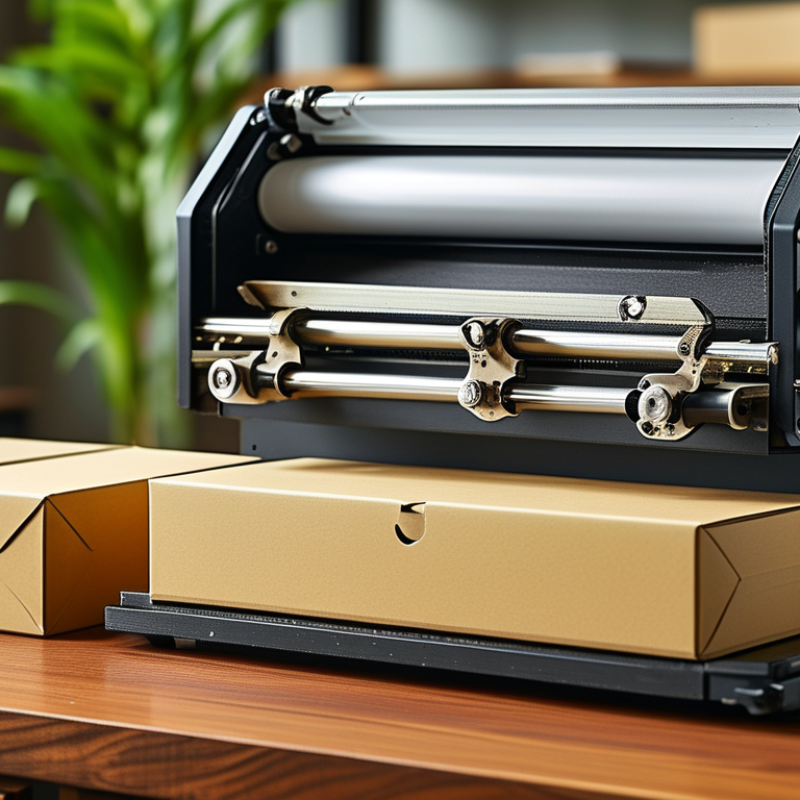
Understanding the Different Types of Box Making Machines Available
When selecting a box making machine, it’s essential to understand the various types available. The main categories include automatic, semi-automatic, and manual machines. Automatic machines can produce up to 200 boxes per minute, making them ideal for high-demand environments. In contrast, semi-automatic machines offer flexibility without sacrificing speed, commonly operating at rates of 100 to 150 boxes per minute. This balance can cater to diverse business needs, depending on production volume.
Manual box making machines, though slower, can be beneficial for small businesses or niche operations. They usually require fewer operators and lower initial investments. However, relying on manual operations may present challenges, such as consistency in box quality and efficiency over time. Reports show that businesses transitioning from manual to automated systems see production increases of approximately 30%. This highlights the importance of assessing the long-term viability of your box manufacturing method.
Additionally, machine efficiency is a key factor. According to industry studies, poorly optimized machines can cause production delays, leading to a 15% drop in overall output. Investing in the right technology, evaluating operational needs, and understanding the machinery’s role in your workflow are crucial steps. Ultimately, careful analysis of machine types will guide you toward the best fit for your production goals.
How to Choose the Best Box Making Machine for Your Business?
| Type of Box Making Machine |
Production Speed (Boxes/Hour) |
Box Size Range (L x W x H in mm) |
Material Compatibility |
Ease of Use |
Price Range (USD) |
| Semi-Automatic Box Making Machine |
300 |
100 x 100 x 50 to 500 x 500 x 300 |
Corrugated Board, Solid Board |
Moderate |
5,000 - 15,000 |
| Fully Automatic Box Making Machine |
1,200 |
200 x 200 x 100 to 600 x 600 x 400 |
Corrugated Board, Paperboard |
Easy |
20,000 - 50,000 |
| Digital Box Making Machine |
150 |
100 x 100 x 50 to 300 x 300 x 200 |
Papercraft, Eco-Friendly Materials |
User-Friendly |
10,000 - 25,000 |
| Hand-Operated Box Making Machine |
50 |
100 x 100 x 50 to 400 x 400 x 250 |
Cardboard, Paper |
Basic |
500 - 3,000 |
Key Features to Consider When Selecting a Box Making Machine
Choosing the right box making machine requires careful consideration of several key features. One of the most important aspects is production speed. Assess how many boxes you need per hour. Faster machines can boost productivity but may require more maintenance. Reliability is also crucial. A machine that breaks down often can lead to delays and increased costs.
Another critical feature is the machine's versatility. Can it handle various box sizes and materials? A flexible machine allows you to adapt to changing market demands. Keep in mind that some machines are designed for specific tasks. Evaluate your business needs before making a decision.
It's wise to consider the cost of operation. While a lower initial investment might be appealing, think about long-term expenses. Maintenance and energy consumption can add up. If possible, seek advice from industry experts. Gather insights on performance and user experience. Make informed decisions based on their experiences.
Box Making Machine Key Features Comparison
Evaluating Production Capacity: How Many Boxes Do You Need?
When evaluating how many boxes your business needs, consider your current production schedule and sales forecasts. Knowing your peak seasons is crucial. If you produce during slow periods, excess inventory can become an issue. Balancing production with demand requires careful planning.
Think about your target market and shipping requirements. Some businesses need sturdier boxes, while others can use lighter options. This impacts your material choice and the time taken to produce them. It’s important to align box production with order sizes. If you deal with bulk orders, ensure the machine you choose can handle larger quantities efficiently.
Keep in mind, not every box-making machine will suit your needs. Consider features like customization options and ease of operation. An overly complex machine might create confusion and slow down production. Regularly assess your production method. Are you adapting to changes in demand? Flexibility in your box-making process will enhance your operations significantly.
Material Compatibility: Selecting Machines for Various Box Materials
When selecting a box making machine for your business, material compatibility is crucial. Different box materials—like corrugated cardboard, chipboard, and plastic—require distinct machines. Each material has specific characteristics that affect machine performance and output quality. For instance, corrugated cardboard is thicker and sturdier, thus needing a robust machine capable of cutting and folding efficiently.
Consider what materials you will primarily work with. This decision influences your choice of machinery. A box making machine designed for lightweight materials may not perform well with heavier substrates. It’s essential to evaluate the versatility of machines regarding their ability to handle multiple materials. Flexibility can lead to cost savings and increased productivity.
Evaluate the machine's specifications, including cutting methods and speed capabilities. Every machine has its limits and might not deliver optimum results across all materials. You might find more specifications than needed for a particular box type. Sometimes, simplicity in machinery can yield better results. Different projects may require experimentation to find the right combination of machine settings and materials used. This process is part of finding the best fit for your business.
Cost Analysis: Initial Investment vs. Long-term Savings in Box Production
When considering a box making machine, understanding cost analysis is crucial. The initial investment can be significant. High-quality machines often come with a higher price tag. However, it's important to look beyond the upfront costs. Lower-priced machines may save money initially but could incur higher maintenance costs later. Evaluating both options carefully helps in making a cost-effective decision.
Long-term savings in box production can be substantial. Efficient machines reduce material waste and energy consumption. Over time, these savings can balance out the initial investment. For example, a well-designed machine could double the production speed. This increase in productivity leads to higher profit margins. However, remember that not all machines offer similar warranties or support. It’s wise to research before making a decision.
You might encounter unexpected challenges. Some machines may require specialized training for staff. This could lead to additional costs. Additionally, if a machine frequently breaks down, even the cheapest option can turn out to be expensive. Regular maintenance and operator training requirements are factors to consider carefully. These details can drastically affect long-term savings in your box production process.
Assessing Automation Levels and Labor Requirements in Box Manufacturing
When assessing automation levels in box manufacturing, it's crucial to consider your specific business needs. Automated machines can increase production speed and reduce labor costs. However, they also require significant investments and may not be suitable for all operations. A balance between manual and automated processes can sometimes yield the best results, especially for small-scale businesses.
Labor requirements also play a vital role. While automation reduces the need for labor, it doesn't eliminate it. Skilled workers are still needed for maintenance and quality control. Depending on the machinery’s complexity, training may be necessary. Businesses often overlook this, assuming machines will run without human oversight. This can lead to inefficiencies and unexpected downtime.
It's essential to evaluate your production volume and product types. High-demand products may justify a fully automated system. Conversely, low-volume, custom orders might be better served by semi-automated or manual methods. Understanding these factors will help you make a more informed choice. The right mix can lead to improved efficiency and ultimately, better profit margins.
Researching Industry Trends: The Future of Box Making Technology
The future of box making technology is influenced by emerging trends. According to a report by Smithers Pira, the global packaging market is expected to reach $1 trillion by 2024. This growth is driven by e-commerce and sustainability demands. Businesses are investing in automated box making machines to enhance efficiency.
Data from industry analysts indicate a shift towards eco-friendly materials. Many manufacturers are prioritizing recycled and biodegradable options. This trend reflects changing consumer preferences. It's crucial for businesses to adapt to these evolving demands. Ignoring sustainability can lead to lost market share.
Emerging technologies, such as robotic automation and AI, are reshaping box making. These advancements allow for rapid prototyping and customization. However, adopting these technologies requires investment and training. Companies must weigh the benefits against potential hurdles. Adjusting to these changes can be challenging yet rewarding.
FAQS
: Determine how many boxes you need per hour. Faster machines boost productivity, but may need more maintenance.
A reliable machine prevents breakdowns, reducing delays and additional costs in production.
Ensure the machine can handle various box sizes and materials for changing market demands.
While high-quality machines require significant investment, they may save money through reduced maintenance costs later.
Lower-priced machines may lead to high maintenance costs and more frequent breakdowns over time.
They reduce material waste and energy usage, eventually offsetting initial investments through higher profit margins.
Some machines require specialized training, which may incur unexpected additional costs for your team.
Yes, gathering insights from experts can inform your decision based on their experiences with performance and user satisfaction.
Not all machines have similar warranties or support; research is important to avoid future complications.
Frequent machine failures can lead to high costs, making even a low initial investment very expensive over time.
Conclusion
Choosing the best Box Making Machine for your business involves understanding the various types available, each designed for specific production needs. Key features such as speed, precision, and ease of use are critical to consider, as they impact overall efficiency. Evaluating your production capacity is essential to determine how many boxes you need and to select a machine that meets that demand.
Material compatibility is another vital factor, ensuring your Box Making Machine can handle the types of materials you intend to use. Cost analysis plays a crucial role, comparing initial investments with potential long-term savings in production. Additionally, assessing the levels of automation and the labor requirements of different machines helps optimize operational efficiency. Lastly, staying informed about industry trends can guide your decision, ensuring you select a Box Making Machine that aligns with future advancements in technology.






 Phone
 Send Email
 whatsapp
 Facebook
 Youtube

