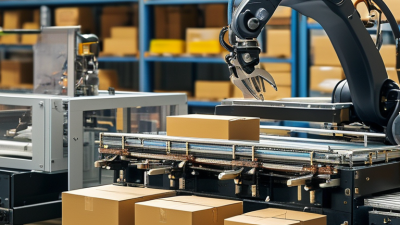
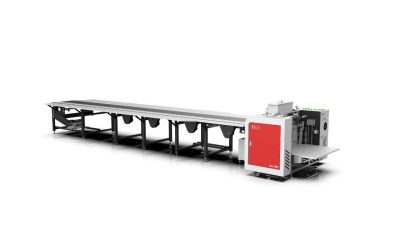
Picking out a feeder gluing machine isn't just about comparing numbers like speed and price. Honestly, finding the right system means considering things like your materials, product sizes, the kind of glue you’re using, and how much you produce each day. A machine that works great for folding cartons could totally struggle with corrugated sheets or rough cardboard. Those tiny differences really do matter, sometimes more than you'd think.
In real production settings, operators often spot issues before they even show up in the specs. For example, sheets might start skewing near the feeder, or you might notice glue lines looking thin at the corners. Even if your machine is running fast, it can still waste a lot of material if you’re constantly fiddling with setup changes. It’s super important to check how stable the feeding is, how long it takes to adjust, how good the glue control is, along with safety features and how easy it is to clean. Also, don’t hesitate to ask suppliers if they can run sample trials with your actual materials—sometimes demos can hide how complicated things really are.
When it comes to choosing a reliable machine, technical support and real proof matter a lot. Make a point to review installation instructions, training for operators, spare parts availability, warranty details, and maintenance records. Experienced manufacturers should be upfront about what their machines can and can't do—not just brag about capacity. And when you ask about dust, humidity, glue viscosity, or irregular blanks, their answers should be clear and honest—no vague promises. Keep in mind, no guide is perfect. Your specific factory setup might reveal a weakness that wasn’t obvious in testing.
Before you decide to buy, it’s a smart idea to gather a few trial results. Compare things like the quality of the output, how long setup takes, how many rejected pieces you get, power consumption, and what your operators think. Think ahead about future projects too, but don’t get talked into paying for features you’ll never use. The best machine isn’t always the fastest or the most expensive one—it’s the one that consistently folds and bonds well, is easy to fine-tune, and comes with solid support. Taking the time to evaluate makes all the difference—from just a product feature into a real, practical production choice.
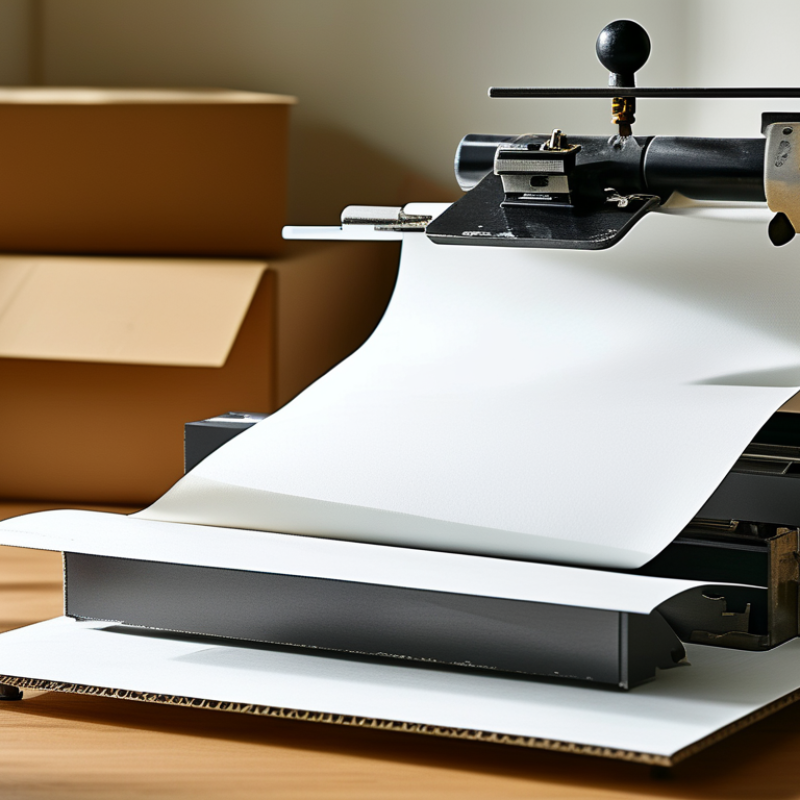
A feeder gluing machine feeds flat paperboard blanks, applies adhesive, folds panels, and delivers finished cartons. Its feeder separates stacked blanks with suction cups or friction belts. Registration rollers then align each blank before glue reaches the selected flap. Folding rails guide the blank through a controlled path. Compression belts hold the folded carton until the adhesive sets. Sensors monitor blank position, jams, glue presence, and delivery timing.
Real performance depends on board stiffness, coating, humidity, glue viscosity, and blank accuracy. PMMI’s 2024 State of the Industry report valued U.S. packaging machinery shipments at about 11.3 billion dollars in 2023, showing strong investment in automated production. Smithers’ folding carton market research also reports continued global growth through 2028, increasing pressure for stable, flexible carton forming.
When choosing a machine, examine feeder range, changeover time, glue control, compression length, and waste handling. Ask for tests using your actual carton blanks. Published speeds can mislead. A machine rated at 300 meters per minute may run much slower with porous board or complex folds. Operators often value quick cleaning more than maximum speed. That detail is easy to miss.
Check whether sensors detect double blanks and missing glue. Confirm that operators can adjust guides without tools. A reliable machine should protect carton quality during long production runs, not only during a short demonstration.
How to Choose a Feeder Gluing Machine?
Identify your materials, products, and gluing requirements before comparing machine features. Begin with the sheet material. Corrugated board, folding carton stock, and laminated paper behave differently during feeding. Record each board’s thickness, stiffness, coating, and surface texture. A glossy surface may need a different adhesive or longer setting time. Humidity matters too, especially when cartons soften during storage.
Then examine the products you actually make. Measure the smallest and largest blank, fold depth, flap width, and required production speed. A narrow carton can misalign if the feeder handles it roughly. Long boxes may need stronger guides and steadier pressure. Check whether your work includes straight-line boxes, crash-lock bottoms, or irregular shapes. One machine may not handle every format well.
Your adhesive requirements should guide the application system. Water-based glue, hot-melt glue, and cold glue require different controls, temperatures, and maintenance routines. Ask how quickly the adhesive must set. Test glue lines on real samples, not only on clean showroom board. The Automatic Box Gluing System should maintain consistent feeding and accurate glue placement at your target speed. Sensors, adjustable belts, and accessible cleaning areas improve daily reliability. Still, specifications can be optimistic. I once underestimated dust from recycled board, and feeding accuracy declined within hours. Leave room for testing, operator feedback, and a few disappointing trials.
When choosing a Precision Box Gluing Machine, start with the feeder, not the advertised speed. The feeder controls how steadily flat blanks enter the folding and gluing section. A poorly matched feeder can cause skewed cartons, double feeds, and frequent stops. In a busy packaging line, these small interruptions quickly become expensive.
Check the material range in real production conditions. Measure blank width, length, thickness, surface finish, and stack height. Thin coated board may slide differently from recycled kraft board. A vacuum feeder often handles difficult surfaces well, while friction feeding can suit consistent, medium-weight stock. Ask for a test using your own blanks. Samples reveal more than a specification sheet. They also expose awkward carton shapes.
Feeding capacity must match the required output, but maximum speed is not the only measure. Compare stable running speed, refill time, and operator access. If the hopper holds too few blanks, staff may refill it every few minutes. That interrupts attention and increases handling errors. Leave reasonable capacity for peak orders, but avoid paying for unused range. In practice, calculations are never perfect. Dust, humidity, and warped blanks change performance. I would monitor feed accuracy during a full shift, then review the settings before making a final decision.
How to Choose a Feeder Gluing Machine?
Choosing a feeder gluing machine starts with the adhesive, not the machine frame. Cold glue suits porous paperboard and offers simple cleaning. Hot-melt glue bonds quickly, but its heated tank increases energy use and maintenance demands. PUR can improve moisture resistance, although operators need stricter handling routines. The Smithers report, The Future of Global Packaging to 2028, forecasts the packaging market will exceed 1.2 trillion dollars by 2028. That growth makes stable adhesive control increasingly important.
Application method changes production quality. A wheel system spreads glue continuously across broad flaps. Nozzles place precise lines and reduce excess adhesive on small cartons. Spray systems cover irregular surfaces, but overspray can dirty sensors and belts. During machine trials, inspect a folded box under bright side lighting. Look for stringing, open corners, and squeezed-out glue. Small defects become expensive after several thousand boxes.
Control systems deserve equal attention. A PLC with recipe storage can match glue temperature, line speed, and feeder timing. Servo-driven adjustment helps maintain registration when board thickness changes. Vision inspection adds evidence, while pressure and temperature sensors reveal hidden drift. A modern Automatic Hard Box Gluing Machine may offer impressive automation, yet complex menus can slow new operators. Keep the interface practical. Control matters. I have seen teams choose maximum speed, then lose time cleaning poor application. The floor decides. A sensible evaluation should compare uptime, changeover minutes, adhesive waste, and actual box strength, not brochure speed alone.
| Glue Type | Typical Operating Condition | Common Application Methods | Key Advantages | Main Limitations | Best-Fit Materials and Uses | Recommended Control Functions |
|---|---|---|---|---|---|---|
| Water-Based PVA |
Liquid adhesive; generally applied at room temperature.
Drying depends on water absorption, airflow, temperature, and coating weight. |
Roller Wheel Nozzle Spray | Low odor, non-flammable formulation options, easy cleanup while wet, and good bonding to porous substrates. | Longer set time than hot melt; excess adhesive can cause warping or slow drying; generally unsuitable for moisture-sensitive production environments without drying control. | Paper, corrugated board, cardboard, wood, labels, envelopes, bookbinding, and other porous materials. | Adhesive flow adjustment, pump speed control, low-level alarm, viscosity monitoring where required, conveyor-speed synchronization, and automatic wash or flush routines. |
| Hot-Melt Adhesive | Solid adhesive is melted before application. Many packaging hot melts operate approximately within the 120–180°C range; the exact temperature depends on the formulation. | Slot Nozzle Bead Nozzle Roller Wheel | Fast setting, immediate handling strength, no water removal, and high production speed. | Heated components present burn hazards; adhesive can char during extended heating; equipment requires insulation, temperature protection, and regular nozzle maintenance. | Corrugated cases, cartons, trays, paper converting, plastics, textiles, woodworking, and high-speed packaging lines. | Multi-zone temperature control, over-temperature protection, ready-status interlock, heated-hose monitoring, tank-level sensing, timed standby mode, and line-speed tracking. |
| Reactive PUR Hot Melt | Applied hot and develops additional moisture-curing strength after cooling. Typical application temperatures are often about 100–140°C, but the adhesive supplier’s specification must be followed. | Sealed Nozzle Slot Nozzle Roller | Strong bonds, excellent resistance to heat and moisture after curing, and good performance on difficult or low-porosity surfaces. | Higher equipment and maintenance requirements; moisture exposure can reduce shelf life after opening; cured residue is difficult to remove; heated handling requires suitable safety procedures. | Laminating, premium packaging, coated boards, plastics, furniture components, profiles, and applications requiring enhanced durability. | Airtight adhesive storage, precise temperature control, pressure monitoring, nozzle shutoff, purge control, humidity management where needed, and production traceability. |
| Pressure-Sensitive Adhesive | Bond forms through pressure rather than a conventional drying or cooling step. Surface cleanliness, contact pressure, and dwell time strongly affect performance. | Roller Transfer Roll Slot Die | Immediate tack, no curing oven required, and suitable for continuous web or label-related processes. | Lower resistance to elevated temperature or shear for some formulations; exposed adhesive may collect dust; release liners and accurate tension control may be required. | Labels, tapes, films, flexible packaging, protective laminates, and removable or repositionable products. | Web-tension control, nip-pressure adjustment, roll-speed synchronization, adhesive-coating control, edge-position monitoring, and liner detection. |
| Dextrin or Starch-Based Adhesive | Water-based adhesive used primarily on absorbent substrates. Drying speed varies with moisture content, coating weight, temperature, and airflow. | Roller Wheel Brush Nozzle | Economical for porous paper products, generally easy to clean while wet, and suitable for some recyclable paper applications. | Slower drying, sensitivity to humidity, possible biological growth if stored improperly, and limited suitability for non-porous substrates. | Paper bags, envelopes, paper tubes, labels, cartons, paper sacks, and other cellulose-based products. | Viscosity and temperature monitoring, tank agitation where appropriate, low-level alarm, anti-dry-out settings, automatic cleaning reminders, and conveyor synchronization. |
| Solvent-Based Adhesive | Solvent evaporates during drying. Requires ventilation, compatible seals and hoses, and controls suitable for flammable or volatile vapors when applicable. | Gravure Roll Reverse Roll Slot Die Spray | Good wetting of selected substrates, fast evaporation with suitable drying equipment, and strong performance in some flexible-material applications. | Volatile organic compound emissions, fire and explosion risks for flammable solvents, ventilation requirements, and stricter operator-safety controls. | Films, foils, rubber, selected plastics, laminates, and industrial assemblies where solvent compatibility is acceptable. | Exhaust and airflow monitoring, solvent-concentration or LEL protection where required, pump and pressure control, dryer-temperature monitoring, emergency shutdown, and grounding provisions. |
| Two-Component Reactive Adhesive | Two components are metered and mixed immediately before application. Working life after mixing may range from minutes to longer periods depending on formulation. | Meter-Mix Nozzle Bead Nozzle Roller | High bond strength, good chemical and environmental resistance, and suitability for substrates that are difficult to bond with simple water-based systems. | More complex equipment, component-ratio sensitivity, mixer and nozzle waste, and limited time before the mixed adhesive begins to cure. | Wood, metal, composites, plastics, structural assemblies, and demanding industrial bonding operations. | Independent component flow meters, ratio verification, pressure balancing, mix-head purge cycles, batch traceability, pot-life timers, and fault interlocks. |
Choosing a feeder gluing machine starts with production facts, not attractive catalog numbers. Measure cartons per minute, feeding distance, and daily operating hours. A Feida gluing machine should match your real workload, including slower shifts and short runs. Rated speed can look impressive. Actual speed depends on board stiffness, fold design, adhesive setting, and operator adjustments. During trials, run common carton sizes for at least thirty minutes. Watch for skewed blanks, missed folds, and glue strings.
Accuracy protects both appearance and material cost. Check fold alignment at the leading edge, then inspect glue placement under bright light. A practical target is repeatable positioning within your packaging tolerance. Ask for sample results, maintenance records, and clear calibration procedures. Experienced operators know that a small feeder error can become a large stacking problem. It happens quietly. Sensors, guides, and pressure rollers should be easy to access, clean, and replace. Do not judge accuracy from one perfect sample.
Machine size must fit the workshop, including loading, inspection, ventilation, and service space. Measure doorways and aisle turns before ordering. Production flexibility matters when orders change. Look for adjustable guides, quick format changes, and reliable setting storage. A compact machine may save floor space but limit future carton sizes. A larger unit may waste energy during small batches. Test changeover time with two operators and one operator. The result may be less flattering. Record noise, adhesive use, jam frequency, and restart behavior during the trial.
The comparison uses a 0–100 selection score based on practical evaluation benchmarks: feeding speed of approximately 80–250 sheets per minute, glue placement accuracy of ±0.3–0.8 mm, equipment footprint of about 12–30 m², and format changeover times of roughly 10–35 minutes. Higher scores indicate stronger performance for that criterion.
How to Choose a Feeder Gluing Machine?
A reliable feeder gluing machine should protect operators during ordinary production. Look for fixed guards around belts, rollers, and adhesive application points. Emergency-stop buttons must be easy to reach from the working position. Clear warning labels also matter. They prevent hesitation when a jam occurs. Safety sensors can stop movement when a cover opens. However, sensors are not a substitute for operator training. During machine evaluations, I check whether controls remain visible after loading materials. A crowded control panel can create avoidable mistakes.
Tips: Ask for a practical safety demonstration before purchase. Test the emergency stop, access doors, and jam-clearing procedure. Request written inspection intervals. Do not accept vague answers about protective devices.
Maintenance needs often decide whether a machine remains productive. Adhesive residue can harden around nozzles, guides, and feeder rollers. Choose a design with tool-free access where possible. Check whether common wear parts are clearly identified. Daily cleaning may take only ten minutes, but missed cleaning can cause uneven glue lines. Keep records of pressure settings, roller condition, and replacement dates. I have found that simple maintenance logs reveal problems earlier than operator memory. Still, no checklist is perfect.
Technical support should include installation guidance, troubleshooting documents, spare-part availability, and realistic response times. Ask whether remote diagnosis is available and whether technicians understand your materials. Support promises sound useful, but written service terms are safer. A short training session can prevent expensive adjustments and repeated errors.
The China DH-850 adhesive assembly line is a high-efficiency feeder laminating machine designed for stable and flexible production. Its dual-roller laminating system distributes adhesive evenly across different face papers, helping maintain consistent bonding quality. Patented anti-double-sheet feeding technology improves feeding accuracy, while the adjustable design supports a wide range of paper materials and production requirements.
For convenient operation, the machine features a one-touch lifting worktable, quick-change press rollers, and switchable single- or double-roller modes. Operators can start or stop the equipment and clear materials with simple one-button controls, reducing adjustment time during daily production. It is compatible with white glue, jelly glue, and various paper types, and can also be integrated with vision positioning systems for more accurate alignment. Quick model changeovers and easy parameter adjustments make the DH-850 suitable for manufacturers seeking efficient adhesive laminating performance and dependable operation in China.
The feeder controls how steadily flat blanks enter the folding and gluing section. A poor match may cause skewed cartons, double feeds, and frequent stops. Speed alone misleads.
Measure blank width, length, thickness, surface finish, and stack height. Thin coated board may slide differently from recycled kraft board. Test your own blanks.
Vacuum feeding can handle difficult or slippery surfaces more consistently. Friction feeding may suit stable, medium-weight stock. The best choice depends on real samples.
Compare stable running speed, refill time, and operator access. A small hopper may require refilling every few minutes. That breaks attention. Leave some capacity for peak orders, but avoid unused range.
Run common carton sizes for at least thirty minutes. Observe cartons per minute, feeding distance, glue strings, missed folds, and skewed blanks. Rated speed is only a reference.
Inspect leading-edge fold alignment and glue placement under bright light. Check whether positioning remains consistent across many samples. One perfect carton proves little.
Measure doorways, aisle turns, loading areas, inspection space, ventilation, and service access. Check adjustable guides, quick format changes, and setting storage. Test changeover with one operator, then two. The result may disappoint.
Look for fixed guards, reachable emergency stops, visible warnings, and cover sensors. Test jam clearing during a practical demonstration. Check tool-free access to nozzles, guides, and feeder rollers. Daily cleaning may take ten minutes. Missed cleaning still causes uneven glue lines.
Request installation guidance, troubleshooting documents, spare-part details, and written response times. Ask whether remote diagnosis and material-specific advice are available. Written terms are safer than promises. No checklist is perfect.
Choosing a Feeder Gluing Machine starts with understanding how it feeds materials, applies adhesive, and delivers finished products consistently. First, identify the materials, product dimensions, surface conditions, and bonding requirements involved in your production process. Then select a feeder with suitable capacity, stability, and adjustment range to ensure smooth and continuous material handling. Consider whether the machine supports the glue type and application method you need, as well as control features that allow accurate adjustment of adhesive volume, timing, and placement.
Machine speed and precision should match your production targets without reducing bonding quality. It is also important to evaluate the equipment’s size, changeover flexibility, and ability to handle different product formats. Finally, review safety functions, cleaning and maintenance requirements, spare-part availability, and technical support. A well-chosen Feeder Gluing Machine can improve workflow efficiency, reduce material waste, and provide reliable bonding performance over long-term operation.