Leave Your Message
0%

Picking the right Box Forming Machine isn’t just about speed; it has a big impact on how quickly you can produce, how well your products stay protected, labor costs, and long-term maintenance. A lot of buyers around the world often flip through catalogs, looking at photos and quick specs. But honestly, that’s not enough. Sure, a machine might be able to make 40 boxes a minute under perfect conditions, but if the paper’s flaky, glue isn’t hot enough, or the operator isn’t well-trained, the real output can fall way short. So, this guide walks you through ten main types of machines and tells you where each one fits into today’s packaging world.

We’re talking about everything from folding carton machines, corrugated carton formers, rigid box makers, tray and sleeve formers, to automatic gift box equipment. Plus, there’s a look at the Paper Box Forming Machine, which is great for clean folding, precise positioning, and consistent glue application. When comparing options, it helps to consider how they form boxes, what materials they work with, size flexibility, how long changeovers take, their automation features, and how quality is controlled. Believe me, tiny details matter—a misaligned corner can literally shut down your entire packing line.

But here’s the thing: you can’t rely solely on what a salesperson says. It’s a good idea to check production records, see factory tests, try out samples, confirm spare parts support, and hear what operators have to say. Experienced buyers will also want to verify that the machine handles their specific paper weights, board thicknesses, and box designs. Don’t forget about safety guards and quality procedures—they’re just as key. No machine is perfect, though. Some are super speedy but need a skilled hand to fine-tune them. Others run a bit slower but stay more steady. The goal here is to help you make practical decisions. Keep in mind, though, that the best choice depends on your product’s design, your factory’s setup, and your growth plans going forward.
Top 10 Types of Box Forming Machines for Global Buyers

What Box Forming Machines Do and How They Work

Box forming machines convert flat paperboard or corrugated blanks into usable containers. They feed, score, fold, glue, press, and discharge each box in a controlled sequence. Common formats include folding-carton, corrugated-case, tray, sleeve, wrap-around, four-corner, six-corner, pizza, rigid, and special-format machines.

A Rigid Box Forming Machine usually starts with a greyboard base and a printed paper wrap. Servo-driven feeders position materials, while glue units apply narrow adhesive lines. Folding arms turn the paper around the board. Pressing stations then hold the corners until bonding stabilizes. The box may look simple, but a one-millimeter offset can create a visible lid gap. The corner is never forgiving.

Machine selection depends on box size, board thickness, production speed, and changeover frequency. Smithers’ The Future of Global Packaging to 2028 values the global packaging market at about 1.2 trillion US dollars in 2023, with further growth expected by 2028. That scale increases pressure for repeatable forming and lower material waste. PMMI reports that packaging automation increasingly addresses labor availability and production flexibility. Still, automation is not magic. Poorly creased blanks, unstable humidity, or uneven glue can stop a reliable line. Operators should check compression pressure, folding accuracy, adhesive temperature, and reject rates during every shift. A machine that runs quickly but damages corners is not truly efficient.

How Box Forming Machines Are Classified by Forming Method

Box forming machines are best classified by how they create the box shape. Automatic carton erectors open flat corrugated blanks, square the panels, and seal the bottom. They suit regular shipping cartons and high-volume lines. Wrap-around machines fold a blank tightly around products, then glue or seal overlapping flaps. This method saves material, but it needs accurate product positioning.

Tray formers build shallow trays by folding scored blanks around a mandrel or forming tool. They are common for retail-ready packaging and produce clean, accessible displays. Case packers form cartons around grouped products, while robotic forming cells use programmable arms for mixed sizes and shorter production runs. The classification can overlap. A machine may erect, pack, and seal in one line.

A 2024 Mordor Intelligence assessment values the global packaging machinery market at approximately USD 45.8 billion and forecasts about 5.1% annual growth through 2029. That growth supports demand for flexible forming equipment, especially where labor availability is uncertain. PMMI industry reports also identify labor shortages and automation as major packaging investment drivers.

However, speed alone is a weak buying measure. Blank quality, board humidity, glue temperature, changeover time, and carton tolerances often decide real output. A fast former can still waste sheets. That detail is easy to miss.

Ten Major Types of Box Forming Machines

Ten Major Types of Box Forming Machines

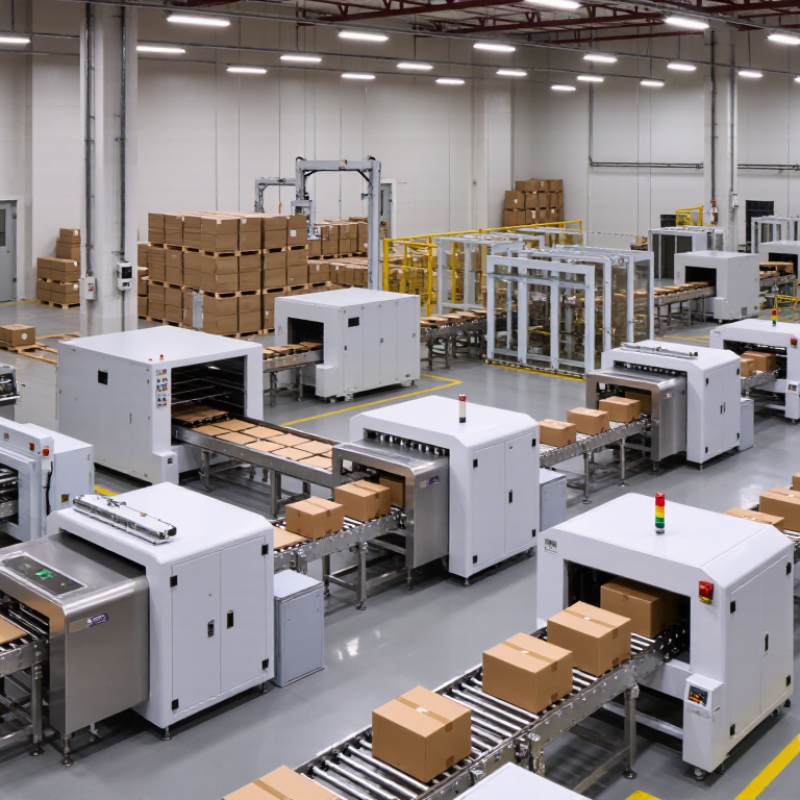
Global buyers commonly compare ten major types of box forming machines. Manual-assisted formers suit low-volume operations and frequent size changes. Semi-automatic carton erectors reduce labor while keeping operators involved. Fully automatic carton erectors manage continuous production with fewer interruptions. Corrugated case erectors open, square, and seal shipping cases quickly. They need stable board quality.

Wrap-around case formers fold flat blanks around products or grouped packages. Four-corner box formers create clean, reinforced corners for retail packaging. Six-corner box formers add stronger folding structures for premium presentations. Tray formers produce open-top containers for food, electronics, and warehouse handling. Sleeve and paper box formers shape narrow packaging with controlled folding pressure. Automatic Rigid Box Forming Machine systems build firm boxes from greyboard and wrapped paper.

Machine selection requires more than checking speed. Buyers should examine blank dimensions, paper thickness, glue compatibility, changeover time, and floor space. A machine rated for 30 boxes per minute may perform slower with delicate paper. I have seen production plans fail because operators ignored feeding accuracy. Small alignment errors become visible at the lid. They also increase material waste.

Check guarding, emergency controls, maintenance access, and spare-part availability before purchase. Ask for sample trials using your actual board and artwork. Noise, dust, and humidity can affect forming stability. One overlooked detail matters: the machine must match the entire packaging line. A fast former can create a bottleneck at inspection or packing. There is no universal choice. Sometimes, a slower semi-automatic model proves more dependable.

Key Differences in Speed, Materials, and Box Sizes

Box forming machines vary sharply in speed, materials, and finished dimensions. Semi-automatic carton formers often suit short runs and frequent size changes. Automatic folder-gluers deliver higher output for corrugated board and folding cartons. Crash-lock, four-corner, and six-corner machines handle more complex folding patterns. Rigid-box formers work with greyboard, coated paper, and wrapped panels. Case erectors usually process corrugated blanks into shipping boxes, while wraparound machines form cases around products. Robotic forming cells add flexibility, but they need stronger integration skills.

Speed depends on box style, board quality, and glue curing time. Some high-speed systems can exceed 10,000 boxes per hour, while rigid-box equipment may operate below 1,000 units per hour. The figure matters less than stable output. A machine rated at 8,000 boxes per hour may slow considerably with warped board or small boxes. Smithers’ report, The Future of Corrugated Packaging to 2028, identifies continued growth in e-commerce and transport packaging. That growth favors scalable case erectors and folder-gluers, not one universal machine.

Material thickness also changes machine choice. Lightweight corrugated board reduces energy use but can buckle during forming. Heavy board improves strength but demands stronger feeding and compression systems. PMMI industry reports continue to highlight automation, labor shortages, and flexible packaging lines as major investment drivers. Buyers should test the smallest and largest box sizes before purchasing. It is easy to overvalue maximum speed. I have seen specifications hide changeover delays, glue rejects, and operator adjustments. Those details often decide the real production rate.

How to Match a Machine Type to Production Requirements

Choosing among the top ten box forming machine types starts with the product, not the machine catalog. An Industrial Rigid Box Forming Machine suits premium boxes with thick greyboard, wrapped paper, and precise corners. Corrugated case erectors fit shipping cartons and higher daily volumes. Folding carton machines handle lighter paperboard and faster cycles. Match the machine to box dimensions, board thickness, adhesive type, and required finish.

Production speed must reflect real demand. A servo-driven automatic line may suit continuous orders above several thousand boxes per shift. A semi-automatic model can be more practical for mixed sizes, seasonal work, or smaller batches. Rotary systems offer steady output, while intermittent-motion machines provide better control for delicate materials. Check changeover time, not only hourly capacity. Ten minutes saved between jobs can matter more than a faster rated cycle.

During factory trials, measure blank feeding, squareness, glue coverage, compression time, and reject rates. Leave room for operator access and future tooling. We once overestimated demand and selected a line that spent too much time idle. That mistake was expensive. Ask for sample testing using your actual board and paper. Review guarding, emergency stops, electrical requirements, maintenance access, and local compliance documents. A machine that runs well on demonstration material may behave differently beside a dusty cutting area. Keep records of trial settings, tolerances, and recurring faults before making the final selection.

Global Buying Factors: Standards, Automation, and Suppliers

Choosing among the top 10 types of Box Forming Machines requires more than comparing speed. A Box Forming Machine should match box dimensions, board thickness, adhesive requirements, and the buyer’s destination standards. Electrical controls, emergency stops, guarding, and documentation need careful review. Standards differ between markets, so confirm certification requirements with an independent compliance professional. Do not rely only on a supplier’s product page.

Automation can reduce repetitive labor and improve consistency. Servo positioning, automatic size adjustment, sensor checks, and fault alarms are useful features on busy packaging lines. However, more automation is not always better. A complicated system may increase training time and repair costs. Ask for changeover records, cycle-time tests, and sample boxes made with your actual materials. Small details matter. A poorly adjusted folding section can create crushed corners after several hours.

Supplier evaluation should include factory experience, technical drawings, spare-parts availability, and response times. Request a factory acceptance test using agreed box sizes and measurable output targets. Review installation support, operator training, software access, and warranty conditions before payment. References from buyers in similar climates can reveal issues with dust, humidity, or voltage stability. One weakness remains common: buyers often compare purchase prices while overlooking downtime, tooling, and maintenance. A reliable supplier should explain these costs clearly, admit operating limits, and provide traceable inspection records.

Top 10 Types of Box Forming Machines for Global Buyers - Global Buying Factors: Standards, Automation, and Suppliers

No. Machine Type Primary Box Style Typical Output Typical Blank or Box Range Automation Level Main Forming Method Relevant Global Standards Key Buying Factors Typical Supplier Profile
1 RSC Case Erector Regular Slotted Carton (FEFCO 0201) 8–30 cases/min Approximately 200–600 mm case length; varies by model Semi-automatic to fully automatic Picks, squares, and folds flat blanks; seals the bottom with tape or hot-melt adhesive FEFCO design codes; ISO 12100; IEC 60204-1; CE or applicable local machinery requirements Blank quality, changeover time, adhesive or tape compatibility, case squareness, line integration Packaging-equipment specialists with standard modular machines and regional service partners
2 Tray Former Open trays, display trays, and retail-ready trays 10–40 trays/min Commonly 150–600 mm tray length; board thickness depends on design Automatic, with recipe-based adjustments on advanced models Folds and locks or glues side walls and end panels around a mandrel FEFCO design codes; ISO 12100; IEC 60204-1; food-contact rules where applicable Tray rigidity, corner accuracy, product presentation, board flute direction, washdown requirements End-of-line machinery suppliers serving food, beverage, produce, and consumer-goods plants
3 Wrap-Around Case Former Wrap-around corrugated cases 15–50 cases/min Typically 200–700 mm case length; product dimensions determine blank size Fully automatic; often integrated with robotic or collating infeed Wraps a flat blank around grouped products and seals longitudinal and end flaps FEFCO design codes; ISO 12100; IEC 60204-1; electrical and guarding rules for destination market Product collation, compression control, glue pattern, case strength, synchronization with upstream equipment High-speed line integrators with application engineering and custom infeed solutions
4 Automatic Bottom-Lock Box Former Crash-lock and auto-bottom cartons 20–80 cartons/min Approximately 100–500 mm carton length; board caliper is application-dependent Automatic; servo-assisted setup is common on high-speed models Pre-glued flat cartons are opened, squared, and mechanically locked at the bottom FEFCO or ECMA carton design references; ISO 12100; IEC 60204-1; applicable adhesive and packaging regulations Locking reliability, carton memory, crease quality, format changeover, compression resistance Cartoning and secondary-packaging suppliers offering standard format ranges and tooling support
5 Four-Corner Folder Gluer Four-corner cartons and gift or premium boxes 40–150 cartons/min Commonly 100–600 mm blank width; configuration varies by carton geometry Automatic, with manual or motorized changeover options Scores, folds, applies adhesive, and compresses multiple corner joints ECMA carton style references; ISO 12100; IEC 60204-1; food-contact requirements where relevant Fold accuracy, glue control, blank registration, compression section, tooling and setup support Folding-carton equipment manufacturers and converting-machine distributors
6 Six-Corner Folder Gluer Six-corner, crash-lock, and complex specialty cartons 30–120 cartons/min Often 150–800 mm blank width; exact limits depend on folding layout Automatic; servo positioning and touchscreen recipes improve repeatability Performs sequential folding and gluing of multiple panels and locking sections ECMA carton style references; ISO 12100; IEC 60204-1; destination-market machinery legislation Mechanical complexity, glue nozzle control, setup skill, carton geometry, spare-part availability Specialist folding-carton suppliers with engineering support for custom carton structures
7 Rigid Box Forming Machine Set-up boxes, presentation boxes, and two-piece rigid boxes 8–30 boxes/min Approximately 50–500 mm box length; board and wrap materials vary Semi-automatic to automatic Positions greyboard components, applies adhesive, wraps paper, and presses corners ISO 12100; IEC 60204-1; material and chemical requirements for coatings and adhesives where applicable Surface finish, corner sharpness, adhesive compatibility, material tolerances, operator skill Luxury-packaging and bookbinding machinery suppliers with tooling and finishing expertise
8 Pizza and Food Box Former One-piece pizza and takeaway food boxes 20–80 boxes/min Typical footprint from about 200 × 200 mm to 500 × 500 mm Automatic or semi-automatic Feeds die-cut blanks, folds panels, and locks or glues the box structure Food-contact packaging rules; applicable paper and board requirements; ISO 12100; IEC 60204-1 Hygienic design, oil and grease resistance, food-safe materials, cleaning access, box ventilation Food-packaging equipment suppliers with sanitary design options and local commissioning support
9 Partition and Divider Former Cell partitions, bottle dividers, and protective inserts 10–60 sets/min Cell sizes commonly 40–150 mm; number of cells depends on the design Semi-automatic to fully automatic Interlocks, folds, and inserts die-cut strips or blanks to create protective cells FEFCO insert references where applicable; ISO 12100; IEC 60204-1; product-protection test methods as specified by the buyer Cell consistency, product protection, board stiffness, format flexibility, integration with case packing Niche protective-packaging suppliers and custom automation integrators
10 Robotic Box Forming Cell Mixed-format cases, trays, and custom e-commerce boxes 5–25 boxes/min, depending on format and robot cycle Broad format range; final limits depend on gripper, magazine, and robot payload Highly automated; vision, barcode, recipe control, and remote monitoring may be included Robots pick and erect blanks, fold flaps, apply adhesive or tape, and transfer formed boxes ISO 10218; ISO/TS 15066 for collaborative applications; ISO 12100; IEC 60204-1; applicable electrical and guarding rules Changeover logic, safety validation, robot programming, vision reliability, data connectivity, lifecycle support System integrators combining robotic, conveyor, controls, and packaging technologies
Buyer note: Output figures are representative planning ranges rather than guaranteed production rates. Actual performance depends on box geometry, board grade and moisture, blank quality, adhesive or tape system, operator skill, changeover frequency, and upstream or downstream line conditions. Buyers should request a sample trial, acceptance criteria, risk assessment, utility list, spare-parts plan, and documentation for the regulations applicable in the installation country.

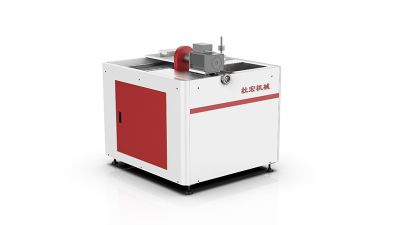
DH-4045M Rigid Box Mold Polishing Machine: Features, Benefits, and Buying Guide

The DH-4045M Rigid Box Mold Polishing Machine is engineered for accurate, efficient surface finishing across a wide range of mold-processing tasks. Its rigid construction supports stable operation, while the precision polishing system helps remove machining marks and create smooth, consistent surfaces. This makes it suitable for plastic molds, die-casting molds, stamping molds, and injection molds where surface quality directly affects product appearance and mold service life.

Designed for demanding production environments, the machine can improve finishing efficiency while reducing the amount of manual polishing required. A controlled polishing process helps maintain uniform results on different mold surfaces and supports better release performance during molding. By minimizing surface imperfections, it can also help reduce wear, simplify later maintenance, and extend the usable life of valuable molds. Its factory-engineered configuration is intended to provide dependable performance for both routine production and specialized finishing work.

When choosing a DH-4045M machine, buyers should evaluate polishing accuracy, operating stability, compatible mold materials, workspace dimensions, and ease of maintenance. It is also important to confirm the available polishing tools, power requirements, safety features, and technical support provided by the supplier. Working with a reliable manufacturing partner can help ensure proper installation, operator training, spare-parts availability, and long-term productivity.

FAQS

What are the main types of box forming machines?

Common types include manual-assisted, semi-automatic, and fully automatic carton formers. Corrugated case erectors open, square, and seal shipping boxes. Other options include wrap-around, four-corner, six-corner, tray, sleeve, and rigid-box formers.

Which machine suits low-volume production?

Manual-assisted or semi-automatic machines usually fit short runs and frequent size changes. Operators can adjust feeding and folding directly. This may reduce speed, but flexibility improves.

When should a company choose a fully automatic former?

Choose one for continuous production and fewer operator interruptions. The packaging line must support its output. A fast machine can still wait at inspection.

How does box style affect machine selection?

Simple shipping cases need different equipment from reinforced retail boxes. Four-corner and six-corner machines handle complex folding patterns. Tray formers create open-top containers for food, electronics, and warehouse handling.

What materials can these machines process?

Corrugated board suits case erectors and many folder-gluing systems. Rigid-box formers commonly use greyboard with wrapped or coated paper. Light board saves energy but may buckle during forming.

Does the advertised speed equal the real production rate?

Not always. Speed changes with box size, board quality, glue curing, and operator adjustments. A machine rated for 8,000 boxes hourly may slow with warped board or small cartons.

What should buyers test before purchasing?

Test the smallest and largest boxes using actual board and printed artwork. Check feeding accuracy, glue performance, folding pressure, and changeover time. Test both extremes.

Which maintenance and safety details deserve attention?

Inspect guarding, emergency controls, maintenance access, and spare-part availability. Also examine noise, dust, and humidity conditions. Small alignment errors can appear clearly on the lid.

Can a slower machine be the better choice?

Yes, sometimes. A dependable semi-automatic model may create less waste and fewer adjustments. I may overvalue maximum speed when comparing specifications.

Conclusion

A Box Forming Machine is designed to automatically shape flat packaging materials into stable box structures by folding, bending, gluing, locking, or combining several forming steps. These machines can be classified according to their forming method, including folding systems, carton erectors, wrap-around formers, tray formers, and customized forming units. The ten major types differ in working principles, automation levels, compatible materials, and the range of box sizes they can produce.

When selecting a machine, buyers should compare forming speed, material thickness, box dimensions, changeover requirements, production consistency, and available workspace. High-speed equipment may suit large-scale packaging lines, while flexible or semi-automatic models can better serve varied product sizes and smaller production volumes. Global buyers should also evaluate electrical standards, safety features, documentation, after-sales support, spare-part availability, and supplier reliability. Matching the machine type with actual production requirements helps improve efficiency, reduce waste, and maintain stable packaging quality.
Ethan

Ethan

Ethan is a seasoned marketing professional at DuHong Machinery, where he plays a pivotal role in articulating the company's vision and expertise. With a strong commitment to excellence, he has been instrumental in the company’s evolution from a gift box manufacturer to a leading provider of......
Previous How to Choose a Feeder Gluing Machine?