Leave Your Message

Blog

What Are Box Dimensions and How Do You Measure Them?

What Are Box Dimensions and How Do You Measure Them?

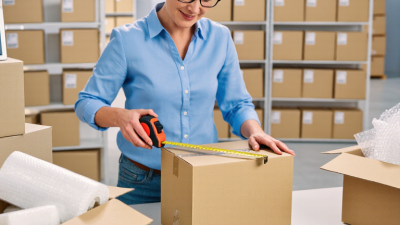
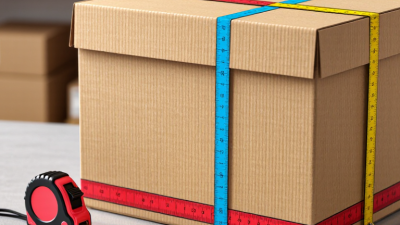
So, Box Dimensions—you know, the length, width, and height of a carton—are usually measured across the outside faces. Those three numbers are pretty handy: they help you identify a box, compare packaging options, and get a rough idea of how much space it'll take up. But here's the catch: not all suppliers list those measurements in the same order. So before you start comparing quotes, double-check the labels. Otherwise, you might be comparing apples to oranges. Okay, let’s say you’ve got a shipping carton sitting on a worktable. Grab a tape measure. The longest side is the length, the shorter side across the front is the width, and the vertical side is the height. Just make sure the tape stays straight and write down the units. Honestly, small things can trip you up—like a bowed flap or a thick wall—and suddenly your outside measurement is off. Maya Chen is a packaging engineer, and she’s used here as an illustrative expert voice—not someone we actually interviewed. Still, her point captures the key habit pretty well: “Measure the outside faces consistently; the numbers only help when everyone uses the same method.” That’s a distinction worth pausing on. Interior measurements tell you about usable space; exterior measurements tell you about the box’s footprint and overall size. Getting these mixed up is easier than you'd think—and the result is a box that looks perfect on paper but totally misses the mark when you actually try to fit the product in it. So, what are box dimensions exactly? This guide walks you through what they mean, how to measure them, and the measurement conventions you should double-check before placing an order. We'll also look at some common slip-ups, like mixing up inches and centimeters or measuring at a slight angle. Honestly, a quick recheck goes a long way. Measuring a box sounds simple enough, but real cartons aren't always perfectly square—trust me on that.
Read more »
Alexander By:Alexander - November 6, 2026
China Top Semi Automatic Packing Machine Manufacturers?

China Top Semi Automatic Packing Machine Manufacturers?

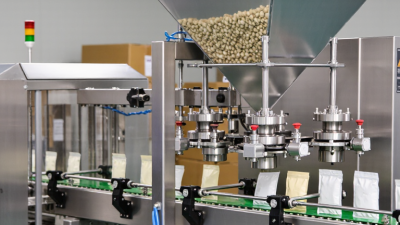
Look, buying a semi-automatic packing machine in China isn't just about comparing price quotes. You've got to think about what you're actually packing—the product, bag size, how much you need to produce, and who's going to run the machine. Sure, a Packing Machine Semi Automatic setup can be a good fit for a small or growing line, but the right setup really depends on what it has to handle. When you're working with powders, granules, or those odd irregular pieces, you’ll probably find they each need their own kind of feeding and dosing setup. It’s not really a one-size-fits-all thing. Alright, so you're looking at Chinese manufacturers—this guide is for you. Before you even ask for a quote, there are a few things worth checking. Get specs that are actually clear: filling range, packing speed, sealing method, what films it can handle, and how long changeovers take. Don't just accept the speed they throw at you—ask exactly how it was measured. Real-world output? That's a whole different story. Product flow and how fast your operators work can make a big difference. And here's the thing: small details really do matter. If you can, run a sample with your own product. It'll show you things like uneven fills, dusty seals, or awkward bag handling that you'd never catch on paper. You'll probably want to ask them for the drawings, manuals, maintenance intervals, and a parts list — then double-check what services they can actually offer. Let's be honest: manufacturer claims should always be taken with a grain of salt. Product pages don't always show a machine's limits, and a slick video isn't the same as a real production test. It's an easy trap to fall into. So in this overview, I've treated published info as a starting point—not as gospel. If you're a buyer, you should still double-check the specs yourself, get warranty terms in writing, and think about whether local installation or remote support is even an option. And honestly, nothing beats actually trying the thing out. A shortlist only gets you so far. Still, if you actually sit down and compare things in a structured way, it narrows the options down a lot. Plus, it makes your conversations with suppliers way more to the point, you know?
Read more »
Ethan By:Ethan - November 2, 2026
Top 10 Box Making Machine Types for Global Buyers

Top 10 Box Making Machine Types for Global Buyers

Honestly, packaging is evolving at a breakneck pace, and corrugated boxes are right in the thick of it. Smithers' latest report—The Future of Global Corrugated Packaging to 2028—puts the market at around $205.5 billion in 2023, and they're expecting to keep seeing growth through 2028. That's thanks to e-commerce, food delivery, and just general retail getting things out there. And if you ask Mordor Intelligence, automation and sustainable materials are the big trends to watch in packaging equipment, too. I mean, these numbers don't really guarantee success. Markets are all over the place - they shift depending on region, product size, and even how much labor you've got. Alright, so this guide is all about the top 10 box making machine types that global buyers should really pay attention to. We’re comparing automatic folder gluers, rotary die cutters, corrugated sheet plants, and those flexible short-run systems — the ones that are great for smaller, quicker jobs. And hey, if you’re looking at a modern Packing Box Making Machine, you’ll want one that gives you stable dimensions, clean creases, and quick format changes without the hassle. You know, when you're out shopping for a machine, you've got to look past the shiny exterior. I mean, sure, it might look great on the showroom floor, but what about the nitty-gritty details? Like waste rates, servo control, tooling costs, training for your operators, and don't even get me started on after-sales support. Because honestly, a pretty machine doesn't automatically mean it'll be a productive one. Trust me, I've seen some flashy models that just underperform once you get them on the floor. Jim Pittas, the head honcho at PMMI, once said, 'Automation isn't a luxury anymore—it's a must.' And honestly, he's got a point. Converters are under real pressure these days to crank out more with fewer hands on deck. But here's the thing, though: you can't just throw automation at a problem and hope it sticks. Take a state-of-the-art box-making machine, for instance. It'll still give you headaches if your material's all over the place or you're slacking on maintenance. So, when we looked at the rankings, we didn't want to pretend they're set in stone. They're more like a practical starting point, not some ultimate truth. Okay, so it takes into account production volume, box style, your investment level, and honestly, how complicated the whole operation is. Some suggestions might go against what you usually do when buying – and that's actually a good thing, you know? If you're a careful buyer, you should really question every single detail before you sign off on that purchase agreement.
Read more »
Ethan By:Ethan - October 28, 2026
What Is an Automatic Paper Box Making Machine?

What Is an Automatic Paper Box Making Machine?

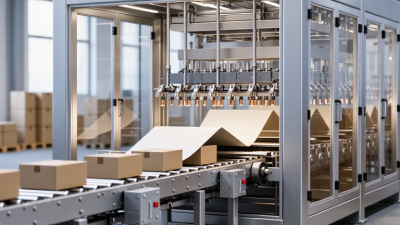
So, an Automatic Paper Box Making Machine takes flat paperboard and turns it into finished boxes using controlled, repeatable movements. It might feed sheets, crease panels, cut patterns, fold edges, and apply glue. Sounds pretty straightforward, right? Well... it isn't. So, on a running packaging line, it usually starts with an operator loading paperboard into the feeder and making sure everything's lined up before they hit go. Once production kicks in, sensors keep an eye on where each sheet is, and forming belts move the blank along through the folding section. Honestly, a little carton can pop out in just seconds—then it's ready for inspection and packing. The real speed? That depends on things like box size, paper thickness, how complex the design is, and how well the glue performs. And manufacturers really ought to confirm those numbers themselves by running sample tests—not just trust whatever the brochure says. So, this equipment can handle packaging for all sorts of things—food, cosmetics, electronics, retail products, you name it. But here's the catch: no single machine is going to nail every structure equally well. Rigid board, recycled fibers, and moisture-sensitive coatings? Those often need different settings or even different tooling. During trials, experienced techs usually keep an eye on crease depth, fold accuracy, adhesive bonding, and waste levels. And yeah, maintenance matters too—dust building up around sensors can cause stoppages you could've avoided. When you're working with reliable suppliers, they should give you things like technical drawings, operating guidance, spare-part info, and written safety procedures. Before settling on a model, buyers really ought to compare those details. Honestly, the best choice is almost never just about speed. You've also got to weigh product quality, changeover time, energy use, operator training, and long-term service support. Sure, some advertised specs can look pretty impressive—but out in a real factory, it can be a whole different story. So careful testing is still a must.
Read more »
Alexander By:Alexander - October 25, 2026
China Top 10 Forming Machine Manufacturers?

China Top 10 Forming Machine Manufacturers?

China’s forming machinery sector combines practical engineering with rapid packaging innovation. This guide introduces ten notable Chinese manufacturers serving paper, carton, and industrial packaging applications. It focuses on measurable factors, not attractive claims. The review considers machine stability, forming accuracy, production speed, material compatibility, maintenance access, and after-sales support. It also examines whether each supplier provides meaningful technical documents and responsive service. Manufacturers such as Zhejiang New Luolan Machinery, Shanghai Eternal Machinery, Guangdong Sinstar Machinery, and other established producers may serve different factory sizes. Their strengths are not identical. Some prioritize compact designs, while others build high-speed automated lines. A Paper Box Forming Machine, for example, should handle folding pressure consistently without damaging printed surfaces. Small details matter. Uneven glue application can create waste, delays, and rejected cartons. Professor Taylan Altan, a respected metal forming specialist, once described forming as “both an art and a science.” His observation remains relevant because machine performance depends on settings, materials, tooling, and operator experience. A reliable Forming Machine is not judged by speed alone. It must maintain repeatable results during long production runs. Buyers should verify factory references, acceptance testing, spare-parts availability, and documented performance. No ranking is flawless. Public information can be incomplete, and supplier capabilities may change. That limitation deserves attention. This overview therefore offers a practical starting point, not a permanent verdict. Readers should compare technical proposals carefully and inspect sample output before making a purchase.
Read more »
Alexander By:Alexander - October 20, 2026
How to Buy Long Boxes Wholesale in 2026?

How to Buy Long Boxes Wholesale in 2026?

Buying Long Boxes wholesale in 2026 isn’t just about comparing unit prices. You’ve also got to look at dimensions, board strength, closure style, print quality, and how efficiently the boxes ship. A box that seems cheap up front can get expensive fast once you factor in oversized freight, damaged products, or warehouse space it hogs. David Luttenberger, Global Packaging Director at Mintel, calls packaging “a silent salesperson.” That’s a good point. Long Boxes protect what’s inside, sure, but they also shape shelf appeal, customer expectations, and how credible your brand feels. A clean kraft finish, sturdy edges, and accurate sizing? Those little things can make even a basic shipment feel thoughtfully put together. So this guide walks through sourcing Long Boxes from wholesale suppliers you can actually rely on. We’ll cover material choices, minimum order quantities, custom printing, sample testing, lead times, and landed costs. You’ll also get practical questions to ask during supplier audits, like where the board comes from and how strength is tested. Small details matter—really. And no, the process isn’t always smooth. Prices move. Production schedules slip. A supplier might promise custom work but then offer barely any proofing support. Before you place a big order, ask for physical samples. That’s especially important if your packaging is unusually narrow or extra-long. There’s no one purchasing formula that fits every company. A small online retailer may want flexible quantities, while a manufacturer might care more about pallet pricing and repeatability. Either way, careful comparison still matters. The cheapest quote isn’t always the safest bet.
Read more »
Alexander By:Alexander - October 16, 2026
Top 10 Positioning Line Manufacturers for Global Buyers

Top 10 Positioning Line Manufacturers for Global Buyers

Global buyers keep pushing toward smarter production systems, and the Positioning Line sits right at the center of that shift. According to the International Federation of Robotics, there were 541,302 industrial robot installations worldwide in 2023. That's a lot of robots—and it says something about the demand for repeatable motion, accurate indexing, and factory automation you can actually count on. But robot growth alone doesn't automatically mean positioning is reliable. You still have to think about mechanical rigidity, controller compatibility, service access, and operator training. This guide looks at ten leading Positioning Line manufacturers serving international industrial markets. We compare positioning accuracy, payload range, motion speed, integration support, documented quality systems, and regional service coverage. The list includes names like Bosch Rexroth, Beckhoff, Festo, HIWIN, THK, Siemens, Parker Hannifin, Aerotech, Rockwell Automation, and IKO—each with different strengths. Some are mainly about linear motion hardware. Others bring complete automation platforms to the table. MarketsandMarkets' Industrial Automation Market report calls rising automation adoption a major manufacturing trend. And Deloitte's 2024 Manufacturing Industry Outlook points to productivity, resilience, and workforce capability as continuing priorities. Together, these findings support a practical buying approach—not just a promotional ranking. A Precision Positioning Line has to work alongside conveyors, robots, sensors, and safety systems. Even tiny alignment errors can turn into visible defects after thousands of cycles. No ranking is ever perfect, honestly. Product specs aren't always measured under the same conditions. So before signing contracts, buyers should verify repeatability, acceleration limits, environmental ratings, warranty terms, and local support. Factory trials are still valuable. A detailed comparison can help narrow things down, but engineering evidence should make the final decision.
Read more »
Alexander By:Alexander - October 12, 2026
10 Best Box Dimensions for Shipping Worldwide?

10 Best Box Dimensions for Shipping Worldwide?

Picking the right Box Dimensions? Yeah, it can be the difference between your international shipment showing up safe and sound—or turning into a pricey letdown. A carton that looks super efficient on a warehouse shelf might suddenly trigger dimensional-weight charges at FedEx, DHL, or UPS. Tiny differences really do matter. Add just two centimeters, and boom—you're in a different shipping tier. As packaging consultant Robert Mullen puts it, “Good packaging protects the product while using no more material than necessary.” That idea is basically the backbone of this review of the 10 Best Box Dimensions for Shipping Worldwide. We look at length, width, and height combos and how they hold up against real shipping needs—things like clothing, books, electronics, cosmetics, and fragile household stuff. Each option has to balance internal protection, cubic volume, stacking strength, and how easy it is for customers to handle. And no, the numbers aren't one-size-fits-all. A 30 × 20 × 15-centimeter box might be great for compact retail goods, while a 40 × 30 × 20-centimeter carton gives you more room for protective inserts. But go too big, and you're just wasting money and letting things slide around inside. That's where a lot of shipping plans quietly fall apart. Real-world testing still matters. Measure the packed carton, not just the empty box. Check the carrier's current dimensional-weight formula. Test corners, seams, and compression points. International routes throw in extra uncertainty too—long transfers, humidity, vibration, repeated sorting. All of it. There's no perfect box. Not yet, anyway. So think of this guide as solid starting points, not rigid promises. Product shape, material choice, destination, and carrier rules can all change the best answer. And sometimes, after a careful review, you'll find a slightly smaller carton performs better—even if it doesn't look as impressive.
Read more »
Alexander By:Alexander - October 7, 2026
China Top 10 Packing Making Suppliers for Global Buyers?

China Top 10 Packing Making Suppliers for Global Buyers?

China has really become a go-to spot for global buyers on the hunt for reliable packaging solutions. Their factories produce everything from food packaging and cosmetics to pharmaceuticals, electronics, and everyday consumer goods. But here’s the thing — the quality of suppliers can vary a lot. And having a slick website doesn’t necessarily mean they can keep a steady production line going. In this guide, I’m taking a practical look at ten Chinese suppliers to help you out. We’ll consider things like machine capabilities, how much experience they have exporting, their ability to customize, after-sales support, certifications, and how consistent their production actually is. Companies like Bobst, Shanghai Dinglong Machinery, and Guangzhou Keshenglong Carton Packing Machine all have their own strengths and different positions in the market. Remember though — this list isn’t set in stone. Supplier info can change, and even a promising factory should be checked out independently before making decisions. Luciana Pellegrino, who’s a respected expert in the packaging world and used to be president of the World Packaging Organisation, once said, “Packaging is a crucial part of the product experience.” Honestly, that really hits home when evaluating suppliers. A Packing Box Making Machine needs to produce precise sizes, clean folds, strong seals, and consistent results. Small mistakes can lead to damaged corners, messy printing, or even costly waste of materials. So, it’s smart to ask for factory videos, sample boxes, testing reports, and references before you hit ‘buy’. Pay attention — don’t just focus on the price. Often, the biggest difference-maker is support after installation, availability of spare parts, training for your operators, and how quickly they respond when issues come up. Some suppliers are great at communicating before you pay, but not so much afterward — that’s a risk you wanna watch out for. So, in this guide, I’m sharing real-world insights, practical warnings, and a sober look at what you should consider when dealing with China’s Packing Making sector.
Read more »
Alexander By:Alexander - October 2, 2026
Top 10 Types of Forming Machines for Global Buyers

Top 10 Types of Forming Machines for Global Buyers

A forming machine basically takes raw materials and shapes them into useful forms using pressure, heat, cutting, or controlled movements. The right kind of equipment can really improve consistency, cut down on manual handling, and help keep your production line on track. But here’s the thing—'forming' is a pretty broad term. For example, a metal stamping press and a paper box forming machine are worlds apart, solving very different problems. In this guide, I’ll walk you through ten favorite types—like press brakes, roll forming machines, hydraulic presses, stamping presses, injection molding equipment, thermoformers, and paper box formers. Each one is suited for different materials, shapes, and production volumes. For instance, a press brake is great for bending sheet metal along specific lines, while a roll former gradually shapes a strip through a series of rollers. It's the little details that really matter—things like tooling, material thickness, cycle speed, accuracy, and how accessible the machine is for operators. A shiny spec sheet doesn’t always tell you about the real setup challenges. If you’re buying globally, don’t just compare prices. Make sure to check things like machine capacity, control options, energy consumption, maintenance needs, availability of spare parts, and the quality of tech support from the supplier. It’s also smart to ask for references tailored to your specific application or see sample runs if possible. Double-check that the machine you choose will handle your materials and meet your product tolerance requirements. Since needs vary by factory and destination, it’s important to confirm safety and import rules with qualified local experts. A simple ranked list isn’t enough—do your homework! Plus, keep in mind that many machines overlap categories and manufacturers sometimes use different names for similar equipment. Think of this guide as a starting point—then really dig into what your production line actually needs before making a decision.
Read more »
Ethan By:Ethan - September 28, 2026
How to Measure Box Dimensions for Shipping?

How to Measure Box Dimensions for Shipping?

Getting the box dimensions right really can make or break your shipment’s profitability. I mean, a box might seem perfectly compact on your warehouse shelf, but that tiny extra inch can actually bump up the dimensional weight, cause you to use a bigger carton, or add some storage headaches. Did you know that in 2022, Pitney Bowes reported moving a staggering 161 billion parcels worldwide? That just goes to show how even small measurement mistakes can snowball across today’s huge shipping networks. They also predict parcel volume will keep growing through 2028, so there's even less room for sloppy estimates. Packaging expert Lisa McTigue Pierce always reminds us — 'Packaging is a system, not just a box.' Honestly, that’s so true, especially when it comes to measuring. After you pick your box, make sure to record the inside length, width, and height. If the carrier asks for outer dimensions, then measure the outside, including flaps, bulges, tape, and any padding. Soft products or thick corner pads can easily throw off your measurements, so keep that in mind. Most carriers like UPS and FedEx base their pricing on dimensional weight — that’s length times width times height, divided by a divisor (usually 139 for domestic shipments). But these rules and divisors can change, so it’s smart to double-check before you print your labels. The US Department of Energy also notes that smart packaging can cut down on materials and transportation impacts — but the real savings depend on the product design and shipping routes. And don’t just rely on a ruler — use a good, calibrated tape measure, take photos if something’s unusual, and jot down everything in a shared shipping sheet. Human errors happen, so reviewing your measurements is worth it. Keeping your box dimensions consistent not only makes quotes more reliable but also speeds up packing and makes shipping decisions way easier to defend. All in all, paying close attention to box sizing might seem small, but it totally pays off in the end.
Read more »
Ethan By:Ethan - September 23, 2026
Top 10 Types of Box Forming Machines for Global Buyers

Top 10 Types of Box Forming Machines for Global Buyers

Picking the right Box Forming Machine isn’t just about speed; it has a big impact on how quickly you can produce, how well your products stay protected, labor costs, and long-term maintenance. A lot of buyers around the world often flip through catalogs, looking at photos and quick specs. But honestly, that’s not enough. Sure, a machine might be able to make 40 boxes a minute under perfect conditions, but if the paper’s flaky, glue isn’t hot enough, or the operator isn’t well-trained, the real output can fall way short. So, this guide walks you through ten main types of machines and tells you where each one fits into today’s packaging world. We’re talking about everything from folding carton machines, corrugated carton formers, rigid box makers, tray and sleeve formers, to automatic gift box equipment. Plus, there’s a look at the Paper Box Forming Machine, which is great for clean folding, precise positioning, and consistent glue application. When comparing options, it helps to consider how they form boxes, what materials they work with, size flexibility, how long changeovers take, their automation features, and how quality is controlled. Believe me, tiny details matter—a misaligned corner can literally shut down your entire packing line. But here’s the thing: you can’t rely solely on what a salesperson says. It’s a good idea to check production records, see factory tests, try out samples, confirm spare parts support, and hear what operators have to say. Experienced buyers will also want to verify that the machine handles their specific paper weights, board thicknesses, and box designs. Don’t forget about safety guards and quality procedures—they’re just as key. No machine is perfect, though. Some are super speedy but need a skilled hand to fine-tune them. Others run a bit slower but stay more steady. The goal here is to help you make practical decisions. Keep in mind, though, that the best choice depends on your product’s design, your factory’s setup, and your growth plans going forward.
Read more »
Ethan By:Ethan - September 18, 2026
How to Choose a Feeder Gluing Machine?

How to Choose a Feeder Gluing Machine?

Picking out a feeder gluing machine isn't just about comparing numbers like speed and price. Honestly, finding the right system means considering things like your materials, product sizes, the kind of glue you’re using, and how much you produce each day. A machine that works great for folding cartons could totally struggle with corrugated sheets or rough cardboard. Those tiny differences really do matter, sometimes more than you'd think. In real production settings, operators often spot issues before they even show up in the specs. For example, sheets might start skewing near the feeder, or you might notice glue lines looking thin at the corners. Even if your machine is running fast, it can still waste a lot of material if you’re constantly fiddling with setup changes. It’s super important to check how stable the feeding is, how long it takes to adjust, how good the glue control is, along with safety features and how easy it is to clean. Also, don’t hesitate to ask suppliers if they can run sample trials with your actual materials—sometimes demos can hide how complicated things really are. When it comes to choosing a reliable machine, technical support and real proof matter a lot. Make a point to review installation instructions, training for operators, spare parts availability, warranty details, and maintenance records. Experienced manufacturers should be upfront about what their machines can and can't do—not just brag about capacity. And when you ask about dust, humidity, glue viscosity, or irregular blanks, their answers should be clear and honest—no vague promises. Keep in mind, no guide is perfect. Your specific factory setup might reveal a weakness that wasn’t obvious in testing. Before you decide to buy, it’s a smart idea to gather a few trial results. Compare things like the quality of the output, how long setup takes, how many rejected pieces you get, power consumption, and what your operators think. Think ahead about future projects too, but don’t get talked into paying for features you’ll never use. The best machine isn’t always the fastest or the most expensive one—it’s the one that consistently folds and bonds well, is easy to fine-tune, and comes with solid support. Taking the time to evaluate makes all the difference—from just a product feature into a real, practical production choice.
Read more »
Ethan By:Ethan - September 14, 2026
Which China Box Forming Machine Is Best?

Which China Box Forming Machine Is Best?

Picking out the best box forming machine isn't just about comparing specs—it's more like making a carefully thought-out decision for your whole production line. You’ve got to think about how fast it can run, what kind of cartons you're designing, how much labor you'll need, how much space you've got on the floor, and what kind of support you'll get after you buy it. For example, a machine that's great for small folding cartons might not handle thicker corrugated boards, tricky shapes, or quick size changes all that well. According to the Packaging Machinery Manufacturers Institute, U.S. packaging machinery sales hit around $10.2 billion in 2023. Their research also shows that automation, labor shortages, and flexibility are huge factors influencing what companies buy. Meanwhile, forecasts from Smithers suggest that as e-commerce and shipping keep growing, the need for dependable carton forming systems is only going up. So, the market’s definitely moving—but there’s no one-size-fits-all winner out there. Honestly, there’s no perfect machine out there, period. Jorge Izquierdo from PMMI really hits the nail on the head when he says, “The right equipment has to fit the application — it’s not just about having the highest specs.” That’s so true when you’re actually out on the factory floor. For example, a paper box forming machine might need super clean glue lines, precise folding, and quick changeovers to keep things running smoothly. On the other hand, a corrugated system might need stronger pressure and wider clearance for thicker boards. The best idea is to test the machine with real carton samples, glue, different types of boards, and at your usual speeds. This guide looks into various factors—how the machines are built, how accurate they are, levels of automation, how easy they are to maintain, and what the total cost of ownership looks like. It also considers things like training from suppliers and quick response times for spare parts. Remember, a lower upfront price might end up costing more in the long run if it keeps breaking down. Still, every company has its own priorities, so taking your time to test thoroughly, gather real evidence, and sometimes question those shiny specs is the way to go.
Read more »
Alexander By:Alexander - September 10, 2026